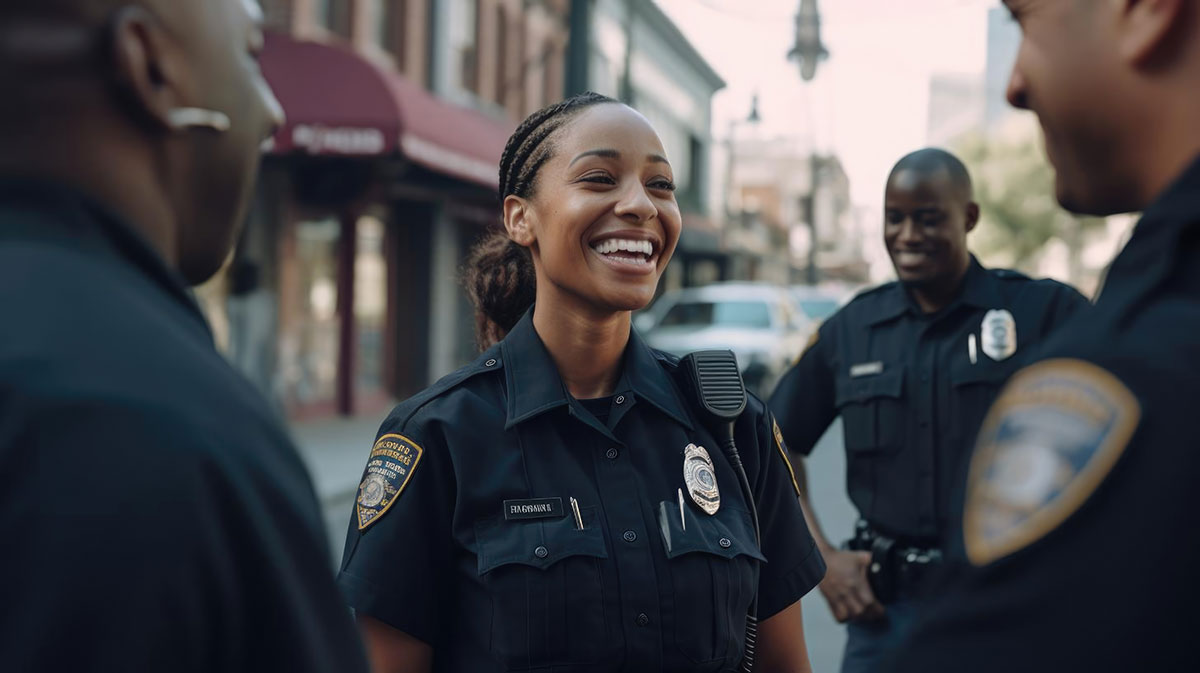
Understanding Why Diversity Matters
One of the most important lessons I learned throughout my career in law enforcement is that trust begins with representation. When a community looks at its police department, they should see themselves reflected in the officers who serve them. Diversity is not about checking a box or filling a quota. It is about strengthening the bond between officers and the people they protect.
When a department includes individuals from a variety of cultural, racial, and professional backgrounds, it gains new perspectives, empathy, and problem-solving abilities. A diverse team brings different life experiences to the table, which is essential when navigating complex community challenges. Recruiting and mentoring a diverse workforce does not just make policing fairer; it makes it smarter, safer, and more effective.
Building a Strong Foundation Through Recruitment
Recruiting diverse candidates takes intentional effort. It begins with understanding where and how to reach potential applicants. Many law enforcement agencies continue to rely on the same traditional recruitment methods, but those approaches often miss talented individuals who may not have considered a career in policing.
When I oversaw recruiting efforts for the Austin Police Department, we focused on expanding our outreach beyond typical job fairs and police academies. We connected with community organizations, faith-based groups, and colleges that served underrepresented populations. We also encouraged our officers to share their own stories, highlighting the different paths that led them to public service.
Representation in recruitment materials matters. When prospective candidates see officers who look like them, who share similar experiences, and who are thriving in the department, it changes perceptions. A single conversation with a motivated recruiter can inspire someone who never imagined wearing the badge to take that first step.
Removing Barriers and Changing Perceptions
One of the challenges in promoting diversity is breaking down long-standing barriers and misconceptions about law enforcement. Many individuals from minority communities may feel hesitant to join a department due to a lack of trust or past negative experiences. Overcoming this requires transparency, dialogue, and action.
Recruiters and leaders need to show that their agencies are committed to fairness, inclusion, and accountability. Hosting community forums, participating in local events, and maintaining an active social media presence can help humanize the department. Sharing success stories of diverse officers who are making an impact within their communities builds credibility and helps shift public perception.
We also need to recognize that recruiting diverse candidates goes beyond race and gender. It includes individuals from different socioeconomic backgrounds, education levels, and life experiences. Veterans, college graduates, bilingual applicants, and people with backgrounds in social work, psychology, or public health all bring valuable perspectives to modern policing.
The Role of Mentorship in Retention and Growth
Recruitment is only half the equation. Once diverse candidates are hired, departments must invest in mentorship programs that help new officers thrive. Without mentorship, promising recruits may struggle to adapt to the demands of law enforcement or feel isolated in their new roles.
Effective mentorship programs pair new officers with experienced leaders who provide guidance, encouragement, and accountability. Mentors play a crucial role in helping recruits navigate department culture, understand expectations, and build confidence. For underrepresented officers, having a mentor who understands their unique challenges can make all the difference in whether they stay and grow or leave early in their careers.
In my experience, mentorship must go beyond professional development. It is about building relationships rooted in trust and mutual respect. A good mentor listens, provides honest feedback, and helps their mentee see a clear path forward. This type of investment creates stronger officers, better leaders, and ultimately, a more cohesive department.
Creating Leadership Pipelines
True diversity in policing does not end with recruitment. It extends all the way up to the command staff. To make that happen, departments must be intentional about creating leadership pipelines for underrepresented officers.
Mentorship can serve as the foundation for leadership development, but formal programs and training opportunities are also essential. Encouraging officers to pursue advanced education, attend leadership academies, and apply for specialized assignments helps broaden their skill sets and prepares them for promotion.
As leaders, we have to recognize potential early and provide opportunities for growth. When officers see leaders who look like them and who have overcome similar challenges, it reinforces the belief that leadership is achievable. That belief can change the trajectory of an entire career.
Accountability and Long-Term Commitment
Diversity and inclusion are not one-time initiatives. They require continuous effort, accountability, and leadership from the top down. Departments must set measurable goals, track progress, and remain transparent with their communities. This level of commitment builds credibility and shows that diversity is not just a slogan, but a genuine value.
It is also important to celebrate milestones along the way. Recognizing the achievements of diverse officers and sharing success stories publicly helps maintain momentum. It shows that progress is possible and that the department values the contributions of all its members.
Leaders must also remain open to feedback. Listening to officers at all levels—especially those from underrepresented backgrounds—provides valuable insight into what is working and what still needs improvement. That willingness to listen and adapt is what separates good leadership from great leadership.
Final Thoughts
Promoting diversity in law enforcement is not just about who we hire—it is about how we lead, how we listen, and how we invest in people. Recruitment brings new talent through the door, but mentorship helps that talent grow, stay engaged, and reach its full potential.
When we build departments that reflect the communities we serve, we strengthen trust, improve communication, and create safer, more connected cities. The process takes time, commitment, and patience, but the reward is worth it.
As leaders, we have the responsibility to ensure that every officer feels valued, supported, and empowered to make a difference. Diversity is not just the right thing to pursue—it is the smart thing. It builds stronger teams, better outcomes, and a brighter future for the next generation of officers and the communities they serve.