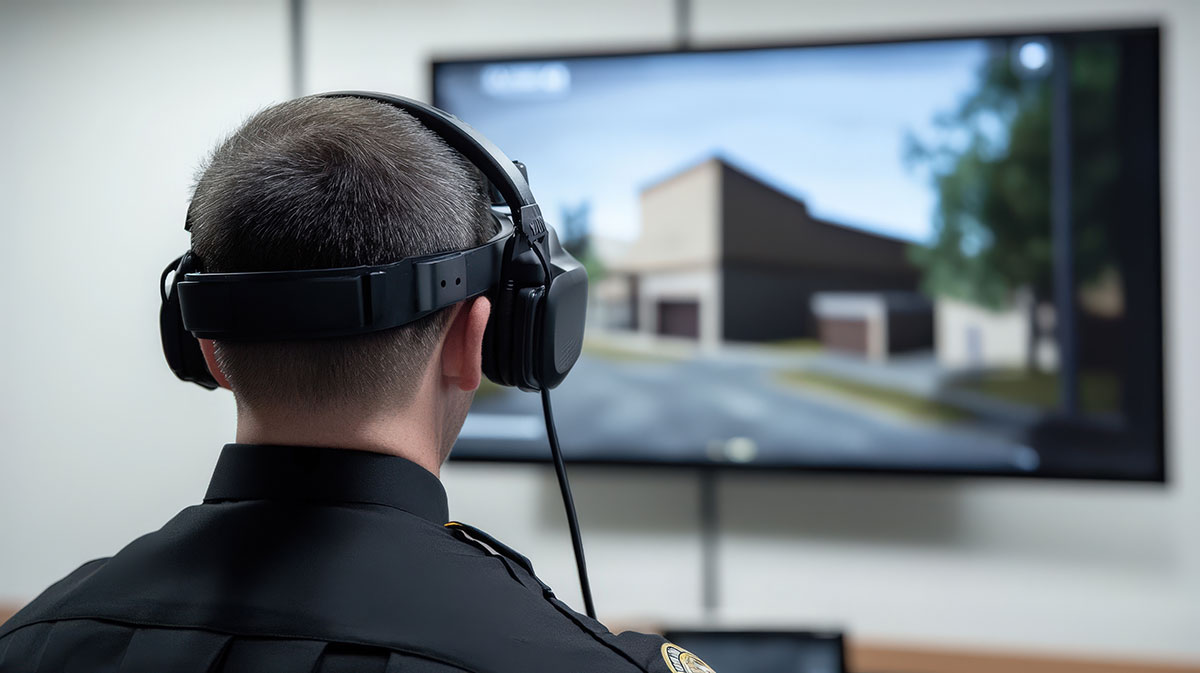
Technology has transformed nearly every aspect of our lives, and law enforcement is no exception. Throughout my career in public safety with the Austin Police Department and now in private security with Black Onyx Investigations, I have seen firsthand how technology can enhance training, improve performance, and increase safety. However, integrating new tools and systems into law enforcement training comes with its own set of challenges. Balancing the benefits of technology with practical implementation is key to preparing the next generation of officers.
The Benefits of Technology in Training
One of the biggest advantages of technology in law enforcement training is realism. Virtual reality simulations, interactive scenarios, and advanced computer-based training allow officers to practice in environments that closely resemble real-life situations. These simulations give trainees the opportunity to make decisions under pressure without risking themselves or others.
For example, scenario-based training software can replicate complex situations such as active shooter incidents, traffic stops, or domestic disputes. Officers can practice communication, tactical decision-making, and situational awareness in a controlled setting. Repeated exposure to these scenarios builds confidence and muscle memory, which can make a critical difference in the field.
Technology also allows for data-driven training. Learning management systems track performance, identify areas for improvement, and provide feedback to both trainees and instructors. This kind of insight helps leadership develop targeted programs that address weaknesses and reinforce strengths. Over time, this improves overall performance and ensures that training resources are used efficiently.
Another benefit is accessibility. Online modules and remote training platforms make it possible for officers to learn and review materials at their own pace. This flexibility is especially valuable for large departments, where scheduling classroom training for hundreds or thousands of personnel can be challenging. Technology allows consistent training to reach all personnel, regardless of location.
Challenges of Implementing Technology
While the benefits of technology are clear, implementation is not always simple. One of the biggest challenges is cost. Advanced simulators, virtual reality equipment, and software systems require significant investment. Smaller departments or organizations may struggle to allocate budgets for these tools, which can create disparities in training quality.
Another challenge is resistance to change. Law enforcement is a tradition-rich profession, and some personnel may be hesitant to adopt new methods. Successful integration requires not only providing the technology but also building a culture that values continuous improvement and innovation. Leaders must communicate the benefits clearly and provide support to ensure everyone is comfortable using the tools.
Technical issues can also arise. Software glitches, hardware failures, or connectivity problems can disrupt training and create frustration. Ensuring proper maintenance, updates, and technical support is essential to keep programs running smoothly. Training programs must account for these potential setbacks to maintain effectiveness.
The Role of Instructors
Even with advanced technology, human instructors remain critical. Technology can enhance learning, but it cannot replace the experience, judgment, and mentorship of a skilled trainer. Instructors provide context, correct mistakes, and guide discussions that promote critical thinking.
During my time as Training Division Commander for the Austin Police Department, I saw how combining technology with traditional instruction creates a more comprehensive learning experience. Officers could practice in simulated environments and then debrief with instructors to review decisions, discuss alternatives, and reinforce lessons learned. This combination of hands-on practice and mentorship produces well-rounded professionals ready for real-world challenges.
Preparing Officers for the Future
Technology in training is not just about keeping up with trends. It is about preparing officers for the realities they will face in the field. Crime is constantly evolving, and officers must be equipped with the skills and knowledge to respond effectively. Cybercrime, for instance, requires familiarity with digital tools and investigative techniques. Body-worn cameras, drones, and advanced communication systems are now part of daily operations, and training must reflect these realities.
By integrating technology into training, departments can ensure that officers are confident, competent, and prepared to handle modern challenges. The goal is not to replace traditional methods but to enhance them, providing a richer and more effective learning experience.
Balancing Technology and Human Skills
While technology offers many advantages, it is important to remember that law enforcement is a human-centered profession. Skills such as communication, empathy, judgment, and ethical decision-making cannot be fully replicated by technology. Training programs must balance technological tools with exercises that build these essential human qualities.
Situational awareness, conflict resolution, and leadership skills remain critical components of effective policing. Technology should be seen as a supplement, not a substitute, for the human elements that define successful law enforcement professionals.
Looking Ahead
The future of law enforcement training will continue to be shaped by technology. Virtual reality, artificial intelligence, and data analytics will play increasingly important roles in preparing officers for the demands of the job. Departments that embrace these tools while maintaining strong mentorship and human-centered training will be best positioned for success.
As I continue to grow Black Onyx Investigations and expand into executive protection, I see the same principles applying in private security. Preparing teams with technology-enhanced training ensures they are ready for any scenario, from routine operations to high-risk situations.
Final Thoughts
Integrating technology into law enforcement training is both an opportunity and a challenge. When implemented thoughtfully, it improves realism, efficiency, and readiness. When ignored or poorly executed, it can create confusion and inefficiency. Leaders must strike the right balance, combining innovative tools with strong human mentorship to develop officers who are skilled, confident, and adaptable.
Technology will never replace the judgment, integrity, and dedication required in law enforcement. It is a tool that, when used wisely, enhances the ability of officers to serve and protect. By embracing technology while honoring the fundamentals of training, we can build a stronger, safer, and more capable law enforcement community.